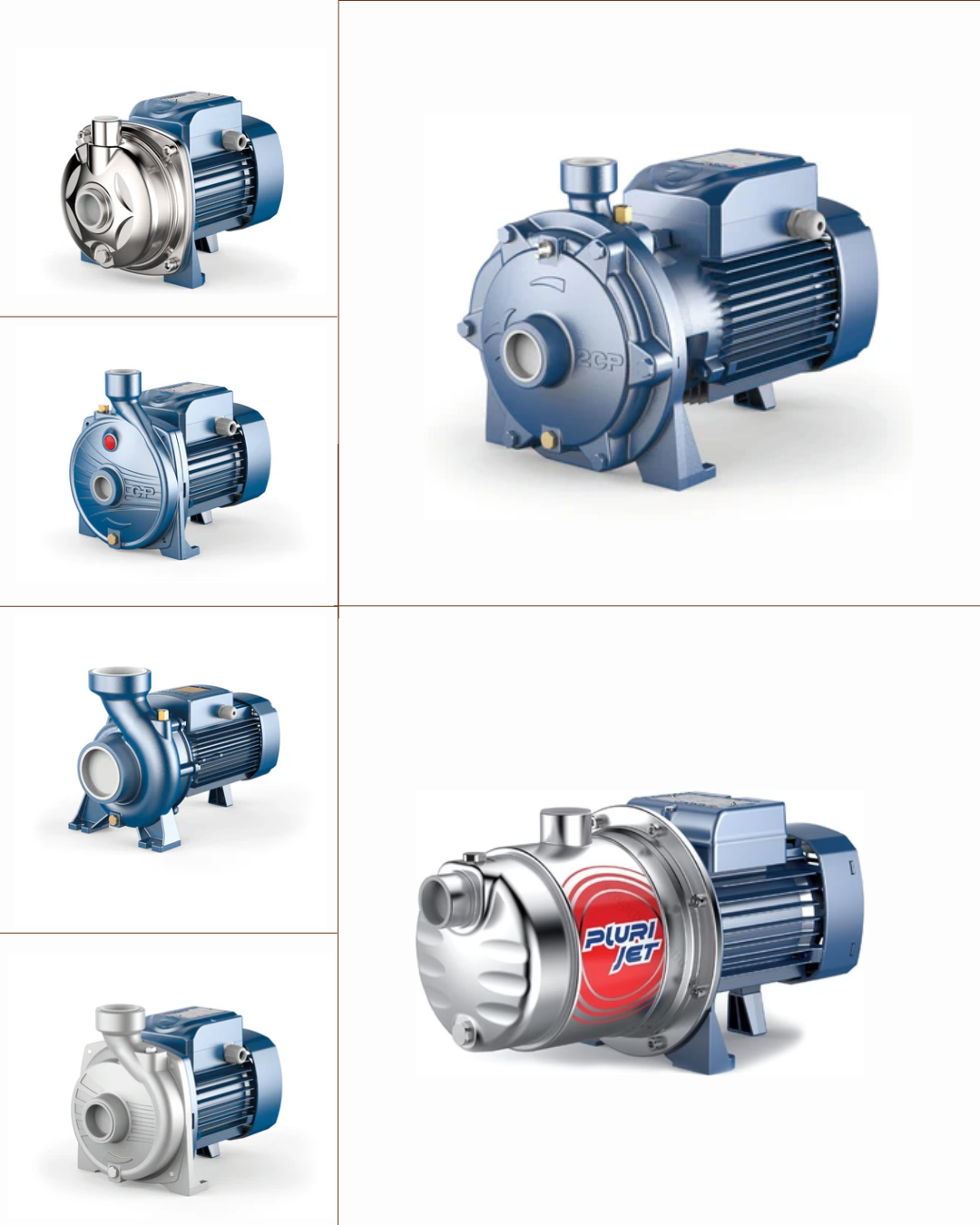


Electric vs. Gas Tankless Water Heaters: Which One is Best for Your Home?
Posted by wilson wilches on
Tankless water heaters are becoming increasingly popular in today's modern homes. Unlike traditional water heaters that heat water in a tank, tankless water heaters heat water only when it’s needed. This on-demand approach improves efficiency and ensures a steady supply of hot water. However, when buying one, many homeowners are unsure which option is better: gas or electric. Let’s understand how these systems work and which option might be best for your home.
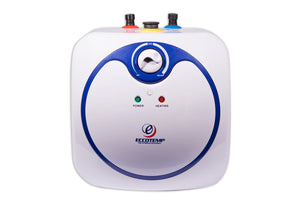
Gas Tankless Water Heaters
Gas tankless water heaters are a powerful solution for homes with high hot-water demand. These models use natural gas or propane burners to heat water instantly, rather than storing it in a tank. They can deliver higher flow rates, making them ideal for larger households and situations where multiple appliances require hot water simultaneously. Although installation and equipment costs are higher, their strong performance and lower operating expenses make gas tankless water systems a worthwhile long-term investment.
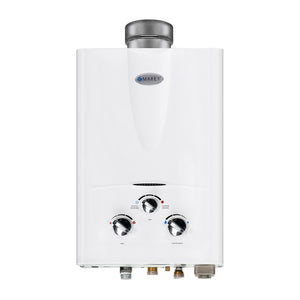
Electric Tankless Water Heaters
Electric tankless water heaters use electric heating elements to heat water only when needed, eliminating the energy loss associated with traditional tank heaters. Electric tankless water heaters are well-suited for small to medium-sized homes due to their more straightforward installation and lower upfront cost. Although not ideal for high-demand usage, electric tankless systems offer excellent efficiency and reliability for households with moderate hot water needs.
Electric vs Gas Tankless Water Heaters
While both gas and electric water heaters have the same goal, they differ in a few ways:
Energy Source
Electric tankless water heaters use electricity as their primary fuel, achieving high conversion efficiency with minimal loss. However, electricity costs can vary by region, and they may struggle to supply sufficient hot water for larger homes. Gas tankless water heaters use gas or propane, delivering higher heat capacity and flow rates. Though gas tankless heaters cost less per unit of heat, they are less efficient because heat is lost through the exhaust vent.
Installation Complexity
Electric tankless water heaters are usually easier and less expensive to install compared to gas tankless water heaters. They do not require a vent and can be installed in compact spaces, though some homes may need electrical panel upgrades or dedicated panels.
Gas tankless water systems, on the other hand, require a more complex installation process, including proper gas line sizing and combustion air supply, which can increase labor and material costs.
Efficiency and Output
Electric models are highly efficient in converting energy but have limited output, making them suitable for small households and apartments. Gas models, on the other hand, produce higher-level outputs and can support multiple fixtures running simultaneously, making them better suited for larger homes.
Maintenance and Longevity
Electric tankless water heaters have fewer components and no combustion process, making them easier to maintain. With the proper care, they can last up to 20 years or more. Gas tankless water systems require regular maintenance due to their combustion systems. However, when maintained regularly, they can also last up to 20 years or longer.
Conclusion
Both electric and gas tankless water systems have distinct advantages. When buying a unit, it’s essential to understand your household's requirements. The ideal choice depends on your water usage, home infrastructure, and budget. Whether you are looking to purchase electric or gas tankless water heaters, explore our collection at Powerplus Retailers. Let us help install a solution that fits your budget, needs, and long-term goals.
Share this post
- Tags: Electric tankless water heaters, Gas tankless water heaters, irrigation pumps, Pearl Submersible Pumps, pedrollo centrifugal pump, pedrollo centrifugal water pump, tankless water heaters, tankless water systems