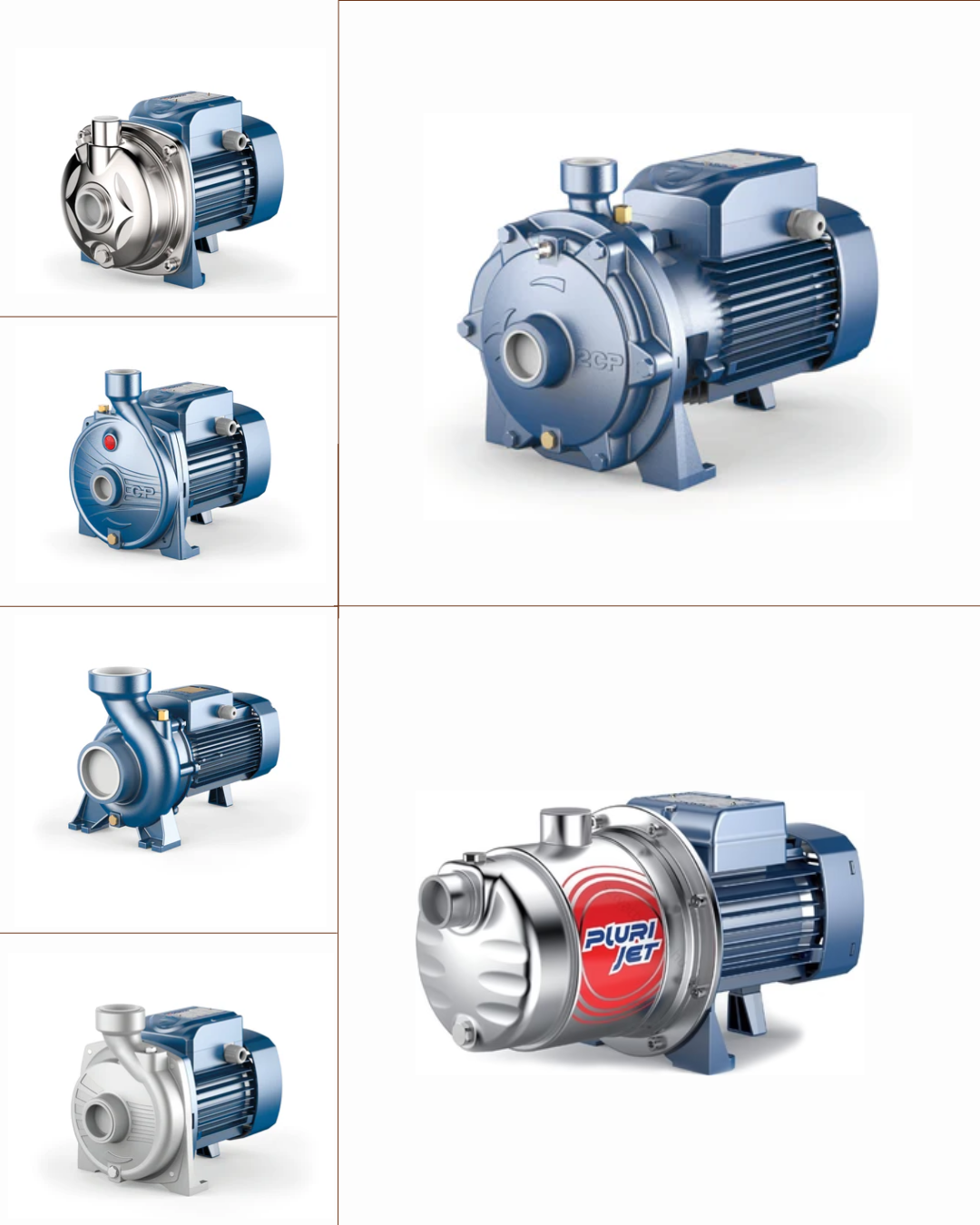


4 Common Mistakes That Affect the Performance of Centrifugal Water Pumps
Posted by wilson wilches on
Centrifugal water pumps are most commonly used in residential setups with dynamic water demand, industrial applications, irrigation and water transfer. When selected, installed and operated correctly, they can deliver reliable performance to meet your requirements.
However, it's important to note that certain mistakes can also affect their efficiency and increase energy consumption, leading to premature wear and tear. But with the proper care, they can last long enough and provide reliable performance.
1. Choosing the Wrong Pump Size
Buying a pump without understanding your actual water requirements is a common mistake that almost everyone makes. A too-small pump will not provide the necessary water flow rate or pressure. On the other hand, an oversized pump can waste energy and may be inefficient.
If you are willing to purchase a centrifugal water pump, you should think about required flow rate, total pumping head, size of the pump, and application where it will be used. For residential water pumps, account for household water demand. For industrial water pumps and heavy-duty water pumps, evaluate the system's operating conditions and required capacity.
At Power Plus Retailers, we offer a range of water pump options for residential, commercial, and industrial applications. Carefully comparing specifications can help you identify a model that meets your water supply requirements.

2. Incorrect Installation
Improper installation can affect a centrifugal water pump's performance from the start. Factors such as incorrect pipe sizing, poor connections, air leaks on the suction side and excessive bends in the piping can restrict water flow and reduce efficiency.
Many conventional centrifugal pumps must also be properly primed before operation. Running a pump without sufficient water can be a reason for overheating and damaging internal components.
Make sure that the pump is well installed; the suction line is right and connections are good. Following the manufacturer's installation instructions can help prevent avoidable performance issues.
3. Ignoring Regular Maintenance
Like any other mechanical equipment, centrifugal water pumps also require regular maintenance so that they can perform properly for a long time. The presence of dirt, debris, worn seals, damaged bearings and impeller buildup can affect the water flow as well as put extra load on the motor.
Ignoring warning signs like strange noise, vibration, leakage, or decreased discharge can allow minor problems to become more serious.
Check the pump from time to time for leaks and other issues. Also follow the manufacturer's maintenance schedule. Keeping the pump and its surrounding area clean can also support reliable operation.

4. Operating the Pump Outside Its Recommended Range
Every centrifugal water pump has been made to operate within a specific range of flow and pressure. The use of the pump in a manner that deviates from its intended use can reduce efficiency and increase wear on components.
For example, excessive system resistance can reduce water flow, while operating a pump at very low flow for extended periods may cause overheating or internal recirculation. Insufficient suction supply can also contribute to cavitation, which may damage the impeller.
Check the manufacturer's performance curve and ensure the pump matches the system's requirements. Correct pipe sizing, suitable operating conditions, and an adequate water supply can help maintain dependable performance for a long time.
How to Keep Your Centrifugal Water Pump Performing Efficiently
Avoiding the four mistakes mentioned can help you improve pump efficiency and reduce the risk of unexpected repairs. When buying, choose the correct pump capacity, ensure proper installation, perform routine maintenance, and operate the equipment within its recommended limits.
When comparing centrifugal water pumps, consider flow rate, total head, construction material, motor requirements, and the intended application rather than focusing on horsepower alone.
Explore the available water pumps for home and commercial use at Power Plus Retailers to find a suitable option for your application and operating requirements. Shop now at https://powerplusretailers.com/collections/pedrollo-pumps
Frequently Asked Questions
1. How Does a Centrifugal Water Pump Work?
A centrifugal water pump uses a rotating impeller to move water. The impeller transfers energy to the water, increasing its velocity, while the pump casing helps convert that energy into pressure. These pumps are commonly used for residential water supply, irrigation, industrial applications, and water transfer.
2. How to Choose the Right Water Pump for Your Home?
Consider your household's water demand, required flow rate, pumping height, water source, and desired pressure. You should also check the pump's construction material, electrical requirements, and operating efficiency.
3. What Size Water Pump Do I Need for My House?
The correct pump size depends on the number of water outlets, household demand, and the height and distance the water must travel. Consider both the required flow rate and total head. A pump professional can help calculate these requirements and identify a suitable model.
4. What Are 3 Water Pump Maintenance Tips for Homeowners?
-
Check for leaks: Inspect the pump, pipes, and connections regularly.
-
Keep the pump clean: Remove accessible dirt and debris according to the manufacturer's instructions.
-
Monitor performance: Look for unusual noises, vibration, overheating, or reduced water flow.
5. How Long Do Water Pumps Last?
A water pump's lifespan depends on its quality, usage, installation, and maintenance. Many residential water pumps can last approximately 5–15 years, although actual service life varies by model and operating conditions. Proper sizing, regular inspections, and operation within the manufacturer's recommended range can help extend the pump's life.
Share this post
- Tags: centrifugal pump stainless, irrigation pumps, pedrollo centrifugal water pump, pedrollo pump, stainless steel centrifugal pump