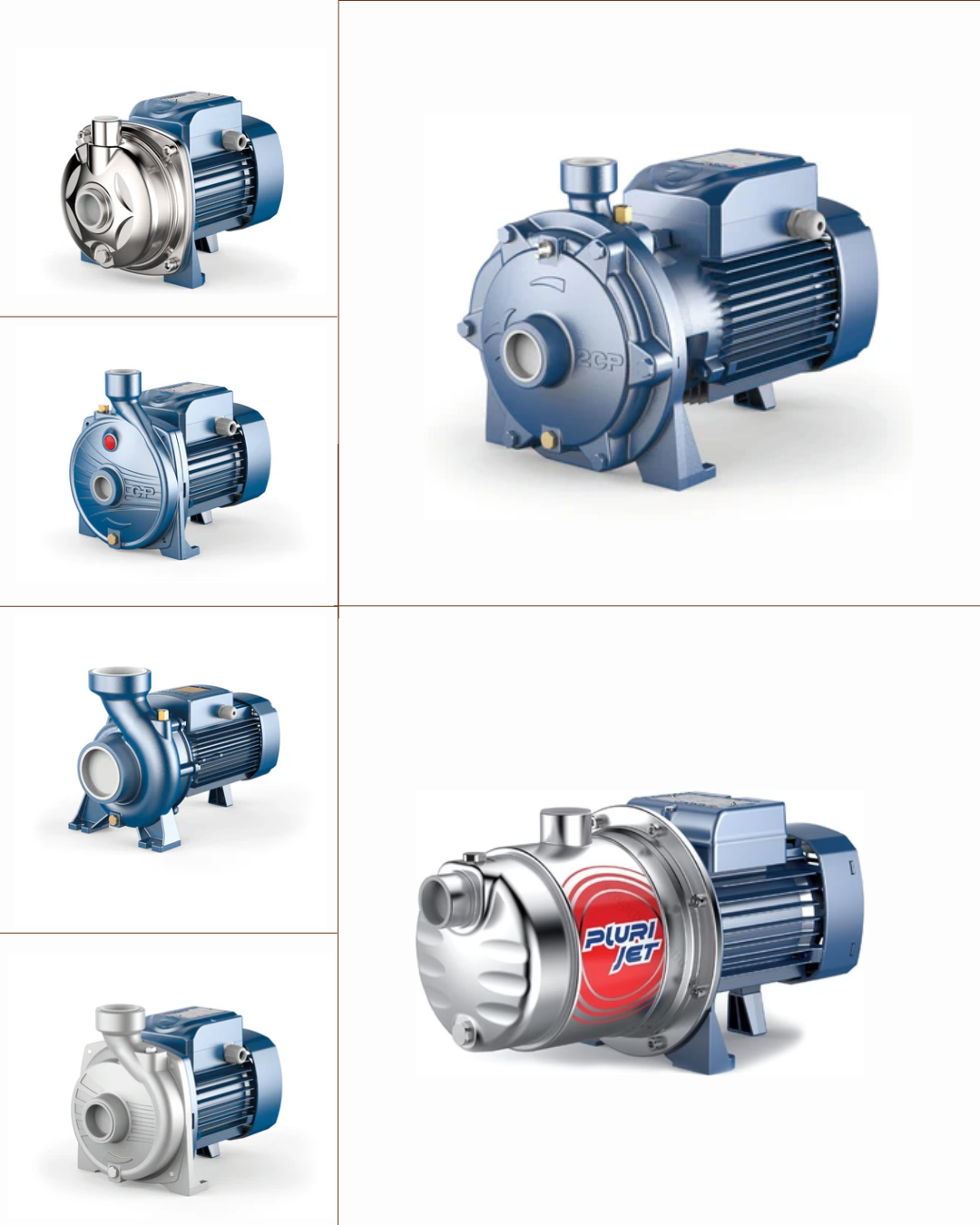


How to Choose the Perfect Water Pump for Your Home (Step-by-Step Guide)
Posted by wilson wilches on
Water is vital to life and an essential resource for households, supporting daily chores and activities like showering, washing, gardening, and more. A reliable water pump is crucial to providing an efficient water supply in modern homes.
However, choosing the right water pump is essential to ensure a consistent water supply for your household while avoiding regular maintenance and high electricity costs. Whether you are considering Pedrollo pumps, Pearl pumps, or a stainless-steel centrifugal pump, selecting the right pump is essential to ensure reliability and consistent performance.
Here is a guide that will help you make an effective choice for your household.
Assess Your Water Needs
The first and foremost requirement is to understand your household's water needs. Start by estimating how much water your household needs each day. The higher your water demand, the more powerful your pumps should be.
A small pump may not meet your needs if your water demand is high. Also, identify where the pump will be used, such as for irrigation, household use, or pool operation.
The Type of Pump You Need
Water pumps come in various types, each suitable for a different purpose. Before buying, ensure the pump meets your specific requirements. Centrifugal pumps are a reliable option for low-lift applications and work best when the water source is at or above the pump level.
Submersible pumps, on the other hand, are designed for heavy-duty use, like deep wells, water tanks, and flood-prone areas. Jet pumps are ideal for moderate pressure requirements and medium-depth wells. Booster pumps are best when better water pressure is needed.
Consider Power and Efficiency
Water pumps typically run on electricity, so it's vital to understand their efficiency. Electric pumps are the most common and easiest to install. Solar pumps are ideal for remote areas with power shortages. They use solar energy, making them energy-efficient and cost-effective in the long run, despite higher initial costs. Fuel-powered pumps are useful in emergencies and for temporary usage.

Evaluate Build Quality & Durability
A pump is a long-term investment, and its lifespan depends on its build quality and materials. Pumps made of stainless steel, cast iron, or high-grade thermoplastics tend to last longer than those made of other materials.
If the pump handles clean water, saltwater, or chemicals, choose a corrosion-resistant, specially designed pump. Additionally, look for features such as thermal overload protection, which helps prevent damage and overheating during voltage reduction fluctuations.
Budget and Installation Costs
When buying a water pump, look beyond the common features and applications. It's important to understand the total cost of buying, installing, and maintaining over the long term. Water pump prices can vary depending on the type and capacity. Regular maintenance and occasional replacement costs should be factored into your budget.
Common Mistakes Most People Make When Buying a Water Pump
-
Buying a pump without understanding your water requirement needs
-
Not Choosing the right Pipe Sizing
-
Installing Pump In Poorly Ventilated Area
-
Choosing Low-Quality Material
Pump Installation and Maintenance Tips
Here are a few tips you can follow to ensure your water pump works efficiently and delivers consistent water for years.
Choose the Right Location
Install your water pump on a flat, stable surface in a well-ventilated area. This helps reduce vibration and moisture, improving performance.
Ensure Proper Alignment
Misalignment can cause excessive wear and tear, leading to gradual damage and potentially costly repairs. Ensure the pump shaft and motor are properly aligned to prevent premature wear.
Correct Pipe Connections
Proper inlet and outlet connections ensure smooth water flow and help prevent damage. Avoid sharp bends in pipes and use proper pipe fittings, and minimize unnecessary bends to reduce friction loss.
Regular Inspection
Regularly inspect your water pump for leaks, unusual noise, and other damage. Early detection can help you prevent major damage.
Conclusion
Buying a pump for your home becomes simple if you follow the right approach. By carefully evaluating your home needs, you can select a reliable pump that provides a continuous water supply for years to come. A well-chosen pump delivers reliable performance without wasting your money and efforts. If you are looking to buy high-quality water pumps, explore the full range of domestic pumps at Powerplus Retailers. With a careful search, you can find a water pump that works efficiently and provides reliable services.
Share this post
- Tags: Pearl Submersible Pumps, pedrollo centrifugal water pump, Stainless Steel Centrifugal Water Pumps, Submersible Pumps